





















The Prepaid Pivot: Why We Keep Circling Back to Paysafecard in Online Gaming
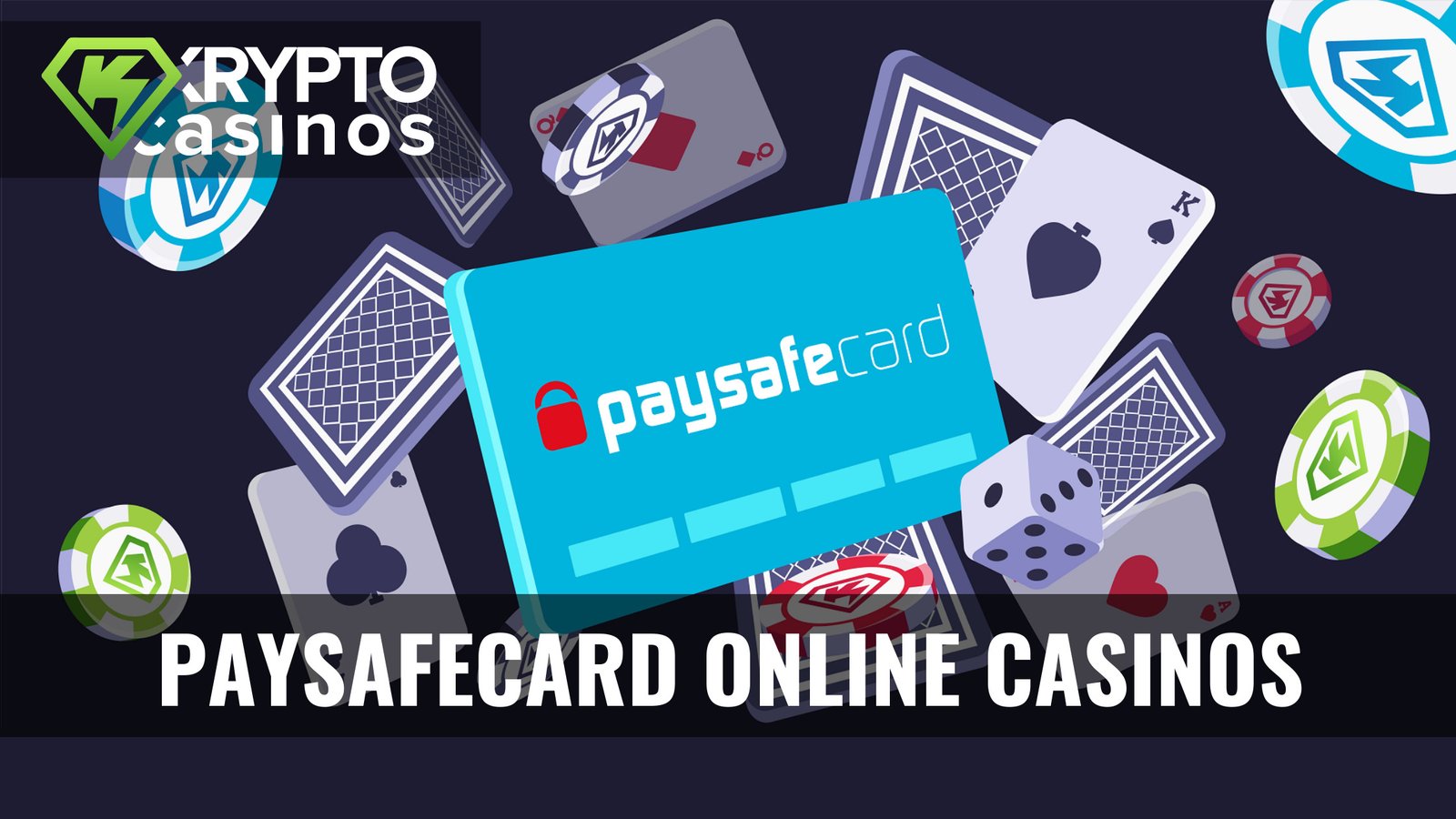
Eventually, the conversation shifts. We stop debating which slot has the best math models and start wondering how to actually get money onto a site without handing over our entire life story. It happens every time. You can spend weeks obsessing over RTP and volatility, but the moment you hit the cashier, skepticism takes over. You want to play, but you don’t necessarily want your primary bank account linked to a gambling platform, especially if you’re just testing a new site to see if it’s legitimate.
Prepaid models change the math on how we handle digital entertainment. It isn’t about being shady; it’s about wanting a buffer. We see it constantly: a player finds a flashy bonus, wants to give it a try, but hesitates because they don’t want a recurring charge or a direct link between their payroll account and a casino’s merchant ID.
The logic is straightforward. You buy a voucher, you enter a PIN, and the money moves. No bank details. No direct connection. It’s a clean break.
The Privacy Buffer and the Psychology of Spending
Players who use prepaid methods tend to be much more disciplined. When you use a credit card, the money feels abstract, just part of a digital stream that doesn’t feel real until you see the monthly statement. But with a prepaid voucher, there’s a limit you actually had to go out and acquire.
If you pick up a €50 voucher at a kiosk or through an app, that €50 is your ceiling. It creates a psychological boundary a credit card can’t match. You aren’t dipping into rent money because you’ve already spent that specific cash on the voucher. It’s a self-imposed cap.
This is also a big draw for anyone worried about data breaches. If a casino’s database gets compromised, an attacker won’t find your bank account number or your full name linked to a credit card; they’ll just find a spent voucher code. It’s a layer of insulation that provides some peace of mind during those late-night sessions.
A lot of people also prefer this because it keeps their gambling habits off their bank statements. If you want to keep your recreational spending separate from your main financial overview, this is the standard.
Our team has looked at how different regions handle these transactions. In many territories, Paysafecard provides many selling points throughout the world, specifically because it sidesteps the hurdles that traditional banking systems often throw up when they see high-frequency gaming transactions.
The Speed Factor: Instant Deposits vs. The Waiting Game
There is nothing worse than finding a game you love, hitting a hot streak, and then realizing your deposit is stuck in “pending” because your bank flagged it for “security reasons.” It kills the momentum. It kills the fun.
With prepaid vouchers, there’s almost no friction. You grab your PIN, type it in, and the balance is in your casino wallet immediately. You aren’t sitting there staring at a loading icon for three hours while waiting for authorization.
| Method Type | Processing Time | Privacy Level | Budget Control |
|---|---|---|---|
| Prepaid (Paysafecard) | Instant | Very High | Excellent (Fixed Amount) |
| Debit/Credit Card | Instant to 24h | Low | Moderate |
| Bank Transfer | 1, 3 Days | Low | Difficult to Control |
We’ve tested several platforms where the deposit was instant. At a site like PartyCasino, for example, the transition from having funds in a voucher to having them ready for a high-volatility slot was nearly immediate. It’s one of the more effortless ways to play.
But speed isn’t everything. You also have to consider the reputation of the platform. A fast deposit is useless if the site is a ghost town. We’ve spent a lot of time looking at user feedback to see if these payment methods actually hold up. For instance, you might see reviews on https://it.trustpilot.com/review/paysavecardcasinoit.xyz that shed light on how a specific site handles its entire ecosystem, not just the payment gateway.
It’s a balance. You want a site that is fast, but you also want one that actually pays out when the reels finally line up. In 2026, fast deposits shouldn’t be a luxury; they should be the baseline for any site claiming to be top-tier.
The Security Index: What Our Analysis Shows
We didn’t just guess how safe these sites are. We used a specific set of criteria to look at how they handle your data. When talking about “safety” in online gaming, we aren’t just talking about encryption; we’re talking about the integrity of the entire financial loop.
One thing we’ve learned is that not all casinos treat prepaid users the same. Some sites treat prepaid players like second-class citizens, offering smaller bonuses or slower withdrawal paths. We try to find the ones that actually value the privacy-conscious player.
Our research involved a deep dive into over a thousand different options. At some of the top sites, you can pay and play in minutes, but you have to be careful about which ones are actually legitimate. We use a “Safety Index” to filter out the junk.
Here are the three main pillars of security we look for:
- Encryption Standards: Is the site using 128-bit or 256-bit SSL? If they aren’t, walk away.
- Licensing: Does the site hold a valid license from a reputable regulator like the MGA or the UKGC?
- Payment Variety: A site that only offers one way to pay is often a red flag; a diverse list of options suggests they are serious about player choice.
We’ve seen instances where a site looks great on the surface, but as soon as you try to use a prepaid method, the terms and conditions change. You might find that a “100% match bonus” doesn’t actually apply to voucher deposits. Always read the fine print before you load that voucher.
Navigating the Withdrawal Side of the Equation
This is where most players run into a wall. Everyone talks about how easy it is to put money *in*. Nobody talks about how hard it is to get it *out*. This part of the process makes or breaks a casino’s reputation.
If you deposit with a prepaid card, you might expect to withdraw via a bank transfer. This is where things get sticky. Many casinos require you to withdraw using the same method you used to deposit. Since you can’t exactly “withdraw” back to a voucher the same way you’d send money to a friend, things get complicated.
Usually, you’ll have to provide a bank account for the final payout. This is standard anti-money laundering (AML) procedure. The casino needs to ensure the money is going to a real person and not being laundered through a series of vouchers.
Some players get frustrated because they thought they could keep everything in the “prepaid loop.” It’s important to understand the flow:
- Deposit: Prepaid Voucher $\rightarrow$ Casino Wallet
- Play: Casino Wallet $\rightarrow$ Games
- Withdrawal: Casino Wallet $\rightarrow$ Verified Bank Account/Debit Card
It feels like a bit of a bait-and-switch to some, but it’s a legal requirement. The key is to find a casino that handles the verification process quickly. If you have to send five different copies of your utility bill just to get your winnings, the “speed” of your initial deposit won’t matter in the long run.
The best sites have a very clear, straightforward process. They ask for the ID, they check the source of funds, and they send the money. No drama. That is what we look for when we are vetting platforms.
The Reality Check for the Skeptical Player
You might be thinking, “This all sounds great for the casino, but what’s the catch?” You’re right to be skeptical. There is always a catch.
The main downside to the prepaid route is the lack of “chargeback” protection. If you use a credit card and a site turns out to be a scam, you can dispute the charge with your bank. With a prepaid voucher, once that money is gone, it’s gone. You’ve handed the cash over, and if they refuse to play fair, you don’t have a central bank to act as a referee for that specific transaction.
This is why we emphasize only using licensed, regulated sites. You use the privacy of a voucher to fund the account, but you use the regulation of the casino to protect your rights. You get the privacy of the prepaid method and the legal recourse of a regulated operator. If you do that, the risk is significantly minimized.
Similar in GAMBLING
-
The Prepaid Pivot: Why We Keep Circling Back to Paysafecard in Online Gaming
The Prepaid Pivot: Why We Keep Circling Back to Paysafecard in Online Gaming