





















The Truth About Debt Consolidation and Personal Loan Mechanics
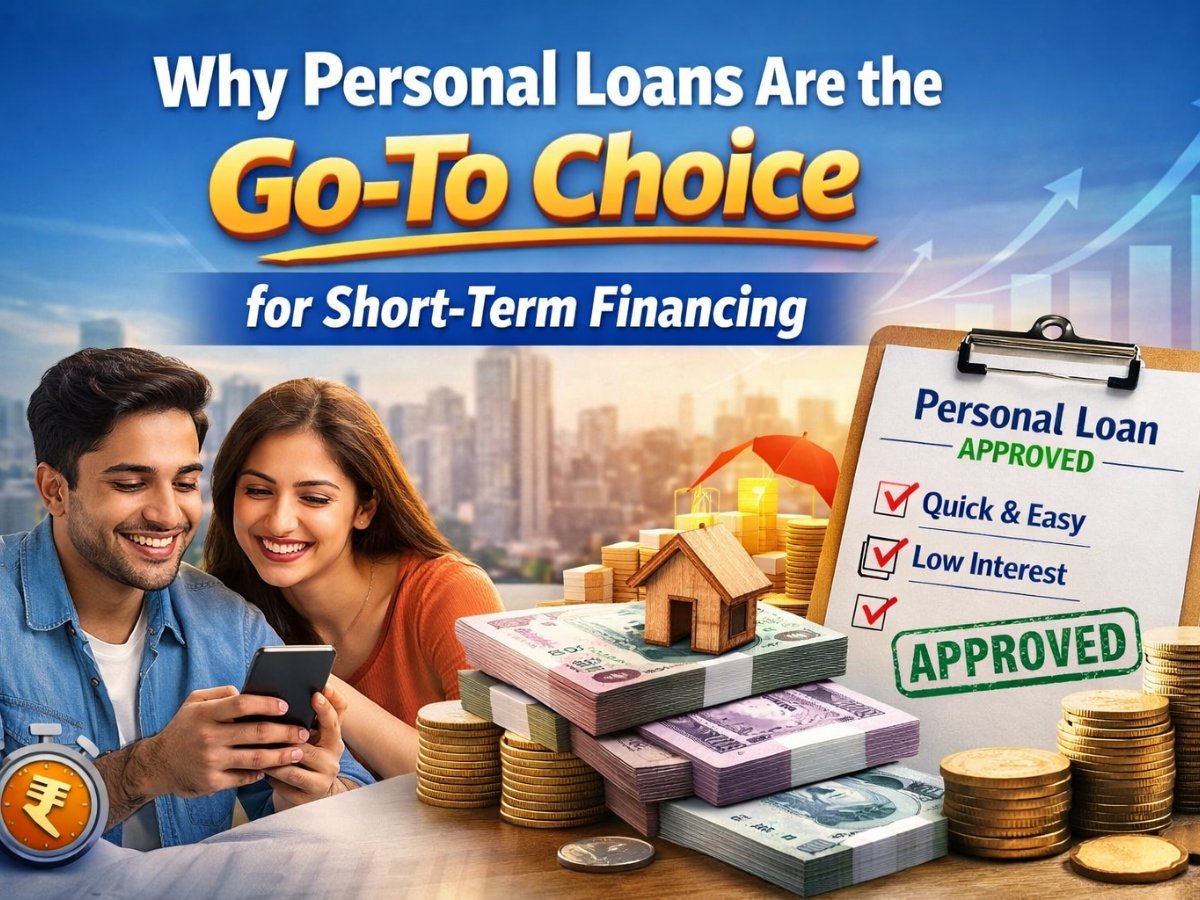
Most people think a personal loan is a magic wand that makes debt disappear. They imagine taking out a new loan to pay off several old ones and suddenly, the stress is gone. This is a dangerous way to look at it. A loan doesn’t erase debt; it just moves it to a different seat at the table. If you don’t change how you spend, you’ll likely end up with the new loan and the old credit card balances still staring you in the face.
Using a loan to consolidate debt only works if you have a plan for the credit cards once they show a zero balance. If you use a loan to wipe the slate clean but then immediately go on a shopping spree using those newly emptied cards, you are digging a hole that is twice as deep. It is a shell game. The math might look better on paper, but the behavior is what determines whether you win or lose.
Understanding how these financial tools actually function is the difference between taking control and losing more control. You need to look at the structure of the loan, the interest impact, and the long-term commitment before signing anything. It is not about finding the biggest number; it is about finding the smartest structure for your specific situation.
Why the Interest Rate is a Lie
When you walk into a bank or browse a website, the interest rate they show you is rarely the number you actually end up paying. There is a gap between the advertised rate and the real cost of borrowing. This gap exists because of how lenders structure their products. They want to attract you with a low number, but they make their profit through fees and the fine print.
The first thing to look for is the distinction between the interest rate and the APR. The interest rate is just the cost of the money. The APR is the actual cost, including the fees you pay to get the loan in the first place. If a lender charges a large origination fee, your APR will be significantly higher than the rate they used to sell you the loan. You must compare APRs, not interest rates, to see the truth.
Lenders also love to offer lower rates to people who already have great credit. If your score is on the edge, you might find yourself being quoted a much higher rate than the one advertised on the homepage. This is where people get stuck. They see a low number online, apply, and then get rejected or offered a much more expensive version of the same product. It is frustrating, but it is how the machine works.
You should always ask for a breakdown of every single fee before you agree to anything. Some loans have:
- Origination fees that are taken out of your loan amount before you even see it.
- Prepayment penalties that charge you for being responsible and paying the loan off early.
- Late fees that can trigger if you miss a single monthly deadline.
- Application fees that you pay just for the privilege of being told “no.”
If you are looking for a way to manage multiple debts, you might consider looking into Jetzloan to see how different structures compare. Knowing your options upfront prevents you from being cornered by a high-interest offer when you are in a rush. Take your time. Do not rush the process.
The Real Difference Between Unsecured and Secured Debt
Personal loans are usually unsecured, which means you aren’t putting your house or your car on the line to get the cash. This is a major advantage because if things go wrong, the lender cannot easily take your property. However, that convenience comes with a price. Because the lender is taking a higher risk, they usually charge higher interest rates to compensate for that risk.
Secured loans work differently. You provide collateral, such as a vehicle or a savings account. Because the lender has a way to get their money back if you stop paying, the interest rate is typically much lower. This sounds great in theory, but it is a double-edged sword. If you lose your job and can’t make payments, you could lose the very things you need to live your daily life.
I once talked to a friend who used a home equity loan to pay off his credit cards. He thought he was being smart by getting a lower rate. (He forgot that a mortgage is a much longer commitment than a credit card). When his income dipped for a few months, he found himself in a terrifying position where his home was at risk. He turned a revolving debt into a secured debt, which was a massive mistake in his specific circumstances.
Deciding which path to take requires a look at your assets and your income stability. If you have a steady, predictable paycheck and a high credit score, an unsecured personal loan is often the safer, more flexible route. If you are trying to fund a major life event like a home renovation and you have significant equity, a secured option might make sense. But never, ever gamble your shelter to pay for a lifestyle choice.
| Feature | Unsecured Personal Loan | Secured Personal Loan |
| Risk to Assets | Low | High |
| Typical Interest Rate | Moderate to High | Lower |
| Ease of Approval | Harder | Easier |
Hidden Costs That Eat Your Cash
The math of a loan can be deceptive if you only look at the monthly payment. A lower monthly payment sounds like a relief, but it often means you are extending the life of the loan. The longer you take to pay back the money, the more total interest you will pay over the life of the debt. You might save twenty dollars a month, but you could end up paying hundreds of dollars more over three or four years.
Banks also have ways of making money through the timing of your payments. If you have a fixed-rate loan, your payment stays the same, which is helpful for budgeting. However, if you have a variable-rate loan, your interest rate can climb if the market shifts. This can turn a manageable monthly bill into a sudden financial crisis without you doing anything wrong. You are essentially gambling on the economy.
Another area where costs hide is in the “origination” process. Some lenders don’t charge a fee upfront but instead build the cost into a higher interest rate. Others take the fee directly out of the loan proceeds. If you borrow $5,000 and they charge a 5% origination fee, you only receive $4,750. You still owe the full $5,000. It is a subtle way to reduce your actual borrowing power while keeping the headline number high.
Before you sign, look at the “Total Cost of Loan” figure. This is the most honest number in any contract. It tells you exactly how much you will have paid back by the time the final installment is made. If that number is significantly higher than what you borrowed, you need to decide if the immediate cash is worth the long-term cost. It is a simple calculation that many people ignore in the heat of the moment.
When to Walk Away from the Table
Not every loan application needs to result in a “yes.” There are times when the math simply does not work in your favor, or the terms are predatory. If a lender requires a large upfront payment before you even receive the funds, run. That is a massive red flag that the lender is more interested in your application fee than in actually lending you money.
You should also be wary of lenders that offer “no credit check” loans. These are almost always predatory. They target people who are in a desperate situation and charge astronomical interest rates that make it impossible to ever pay the debt off. It is a cycle designed to keep you paying interest for years without ever touching the principal balance. They are not helping you; they are feeding on you.
Another sign that a loan is a bad idea is when it is being used to fund a depreciating asset. Using a high-interest personal loan to buy a car that loses value every day is a recipe for being “underwater.” This means you owe more on the loan than the car is worth. If you have an accident or need to sell the car, you will still be stuck paying for a pile of metal that no longer exists. It is a trap that many young buyers fall into.
Use loans for things that have a clear, productive purpose. Consolidating high-interest debt into a lower-interest loan is a valid move. Funding a home repair that increases your property value is a solid strategy. Using a loan to bridge a gap during a temporary job transition can be a lifesaver. But using a loan to cover lifestyle inflation or to buy things you cannot afford is just borrowing trouble. It is a heavy weight to carry.
You might be wondering if the risk of a bad credit score is worth the immediate cash injection. The answer depends entirely on whether you use the loan to fix your habits or simply to hide them. If the loan is a tool to restructure your life, it can work. If it is a band-aid on a broken limb, it will eventually fail. Real financial freedom comes from managing the money you have, not just moving it around.
Common questions
What are the main types of personal loan services available?
Common options include unsecured personal loans, secured loans backed by assets, and lines of credit that offer flexible borrowing.
How do personal loan interest rates work?
Interest rates are determined by your credit score, income, and debt-to-income ratio, typically resulting in a fixed or variable APR.
Can I use a personal loan for any purpose?
Most personal loans are versatile and can be used for debt consolidation, home improvements, medical expenses, or emergency costs.
What is the difference between a personal loan and a credit card?
A personal loan provides a lump sum of cash with a fixed repayment schedule, whereas a credit card is a revolving line of credit with varying monthly payments.
How does my credit score affect my financing options?
A higher credit score typically qualifies you for lower interest rates and higher borrowing limits, while lower scores may require a co-signer or higher rates.
Similar in UNCATEGORIZED
-
Exodermin y otras cremas cosméticas para los pies: cómo elegir según tu día a día
Exodermin y otras cremas cosméticas para los pies: cómo elegir según tu día a día
-
Online casino — Fees, limits and processing windows we honour: Panosta, a clear overview of the main points
Online casino — Fees, limits and processing windows we honour: Panosta, a clear overview of…
-
Nettikasino — Spinstag: Maksut, Tilin Hallinta ja Pelikokemus: Spinstag Bonus ja Tervetuliaistarjous
Nettikasino — Spinstag: Maksut, Tilin Hallinta ja Pelikokemus: Spinstag Bonus ja Tervetuliaistarjous
-
Casino en línea — Spinbetter: Métodos de Pago, Depósitos y Retiros para Jugadores en España: Comisiones, Tiempos y Límites: un análisis práctico de los principios básicos
Casino en línea — Spinbetter: Métodos de Pago, Depósitos y Retiros para Jugadores en España:…
-
Our casino games, bonuses and payments at Betportal: a detailed overview of the basic principles
Our casino games, bonuses and payments at Betportal: a detailed overview of the basic principles
-
Candyland Online Casino: Our Game library and Lobby: a concise overview of the useful details
Candyland Online Casino: Our Game library and Lobby: a concise overview of the useful details